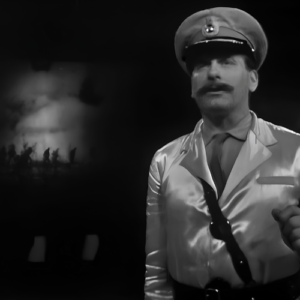
The Coffin is Too Big for the Hole
A deceptively simple play that turns one bureaucratic problem into a devastating portrait of grief, authority and the absurdity of modern systems.
Why it matters right now
Few plays capture the feeling of being trapped inside an indifferent institution as precisely as The Coffin is Too Big for the Hole. Kuo Pao Kun takes an almost painfully ordinary situation and reveals how quickly administrative logic can crush human dignity. In an age of automated systems, scripted customer service and governments obsessed with procedure, the play feels sharper than ever. Its world is filled with people who follow instructions while quietly abandoning compassion. The horror comes from how familiar that experience feels. Anyone who has spent hours fighting paperwork during moments of crisis will recognise the exhaustion that hangs over every scene.
The story in three sentences
A man arrives at a cemetery to bury his mother and discovers that the coffin does not fit into the grave that has been prepared. What begins as a practical problem slowly spirals into a surreal confrontation with cemetery officials, labourers and bureaucratic procedure. As delays mount and solutions become increasingly humiliating, the son finds himself forced to defend his mother’s dignity against a system that seems incapable of recognising grief as anything more than an inconvenience.
The moment you will remember
The awful calm with which officials discuss cutting the coffin down to size. The conversation unfolds with the detached tone of people solving a technical issue, while the son stands frozen between disbelief and fury. Kuo Pao Kun understands that true absurdity rarely announces itself loudly. The scene becomes unbearable because everyone behaves as though the suggestion is perfectly reasonable. You suddenly realise the play is asking how much of our humanity we surrender the moment procedure becomes more important than compassion.
Who it is for
Read or see this if: you are drawn to plays that use small events to expose larger political and social truths. If you appreciate dark comedy that leaves audiences laughing and uncomfortable at the same time. If you are interested in Southeast Asian theatre and want to encounter one of Singapore’s most influential modern dramatists.
Be aware if: stories involving death, funeral rituals or institutional indifference toward grief feel especially raw for you at the moment. The play remains emotionally restrained throughout, which somehow makes its cruellest moments hit even harder.
The debate
The play raises an unsettling question about responsibility inside bureaucratic systems. Who is actually at fault when every individual claims they are simply following instructions? The cemetery workers obey regulations. The officials insist procedure exists for practical reasons. The son becomes increasingly emotional and difficult as the ordeal continues. Kuo Pao Kun refuses to offer a clear villain because the play’s real target is a culture that trains people to value efficiency above empathy. The result is a drama where everybody appears reasonable right up until the moment the situation becomes morally grotesque.