Musical Theatre · Political Theatre · Social Satire · UK
Oh! What a Lovely War
A dazzling collision of music hall comedy and historical tragedy that reinvented British theatre while exposing the human cost of war.
Why it matters right now
Oh! What a Lovely War remains startlingly modern because it asks how societies remember conflict and who gets to shape historical memory. Created by Joan Littlewood and Theatre Workshop in 1963, the production challenged patriotic myths about the First World War by combining popular entertainment with documentary evidence, casualty statistics and biting satire. At a time when debates about national identity, public history and political storytelling continue to dominate public life, the play feels remarkably contemporary. More importantly, its influence extends far beyond its anti-war message. Through collective creation, ensemble performance and innovative staging techniques, Oh! What a Lovely War helped redefine what British theatre could be and inspired generations of artists working in documentary, political and devised theatre.
The story in three sentences
Presented through the framework of a brightly coloured Pierrot seaside show, the production traces the course of the First World War through songs, sketches, military records and historical documents. Familiar wartime tunes and comic routines are repeatedly interrupted by casualty figures and evidence of political and military failures. As the conflict escalates, entertainment gradually gives way to a devastating critique of war, authority and the myths nations tell themselves about sacrifice.
The moment you will remember
The unforgettable moments come when a cheerful wartime song is suddenly juxtaposed with projections listing thousands of deaths. Audiences find themselves laughing, singing along or enjoying the nostalgia of the music before being confronted with the terrible reality hidden behind it. The effect is both shocking and deeply moving. Few productions have exposed the gap between patriotic memory and historical reality with such ruthless theatrical precision.
Who it is for
Read or see this if: you are interested in theatre history, political theatre or innovative stagecraft. If you enjoy productions that challenge audiences intellectually while remaining entertaining and accessible. If you want to understand where many modern forms of documentary and devised theatre came from, this is essential viewing.
Be aware if: you are expecting a conventional narrative drama with a central protagonist and a clear plot. The production is deliberately episodic and frequently shifts between comedy and tragedy. Its anti-war message emerges through irony, contrast and historical evidence rather than emotional sentimentality.
The debate
Many people remember Oh! What a Lovely War as one of Britain’s greatest anti-war plays, but that description may not fully capture its significance. Was its greatest achievement its critique of the First World War, or its transformation of theatrical practice itself? Some scholars argue that the production’s importance lies in its challenge to patriotic narratives and military authority. Others believe its true legacy lies in Joan Littlewood’s collaborative methods, its pioneering use of documentary material, its rejection of theatrical hierarchy and its influence on generations of devised and ensemble-based theatre makers. More than sixty years later, the play remains a landmark because it succeeded simultaneously as political intervention, historical investigation and theatrical revolution.
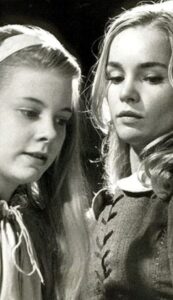
Cover photo: Theatre Workshop production of Oh! What a Lovely War (1963). Ensure image rights and permissions are confirmed before publication.