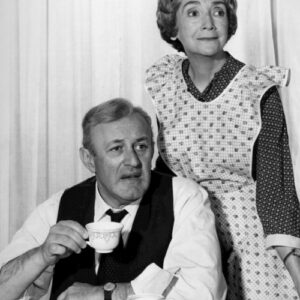
Miss Julie
A scorching psychological duel about sex, class and power that still feels dangerous more than a century after it was written.
Why it matters right now
Miss Julie remains shocking because it understands how quickly desire can become a struggle for control. Strindberg traps three people in a kitchen on Midsummer Eve and watches status, attraction and resentment curdle into something cruel. In 2026, during an era of endless public conversations about gender, privilege and coercion, the play feels uncomfortably alive. Every interaction carries a negotiation of power. Julie has social rank and wealth. Jean has confidence, intelligence and ambition. Kristin watches the chaos with a practical clarity neither of them can manage. The play asks whether people can ever meet honestly across divisions of class and gender, or whether every relationship eventually turns into a contest someone has to lose.
The story in three sentences
On a night of drinking and celebration, the aristocratic Miss Julie flirts with her father’s servant Jean while the household parties downstairs. Their attraction escalates into a tense emotional and sexual confrontation that exposes each character’s hunger for freedom, status and escape. By morning, the balance of power between them has shifted several times and the consequences feel irreversible.
The moment you will remember
Jean describing his dream of climbing a tall tree to reach a nest filled with golden eggs. Julie responds with a dream of falling from a great height and wanting desperately to hit the ground. The scene lands with eerie force because the characters suddenly sound as if they are confessing the deepest truths about themselves without fully understanding it. Jean dreams of rising above his class. Julie dreams of collapse. Strindberg turns two strange fragments of dream imagery into a complete map of the tragedy that follows.
Who it is for
Read or see this if: you love intense chamber dramas where every line feels loaded with hidden motives. If you are interested in theatre that shaped modern psychological realism. If you enjoy plays that leave audiences arguing over who holds power from one scene to the next.
Be aware if: stories involving manipulation, misogyny and emotional humiliation are difficult territory for you. The play deliberately creates an atmosphere of discomfort and emotional volatility.
The debate
Miss Julie has divided audiences for generations because the play seems to contain both ruthless misogyny and sharp insight into the pressures placed upon women. Some critics view Julie as a victim crushed by patriarchal expectations and class rigidity. Others see Strindberg punishing her for refusing the social role assigned to her. Jean creates similar arguments. He presents himself as a servant fighting for dignity and advancement, yet he also becomes calculating and vicious once he senses vulnerability. The play refuses stable moral ground. Every character appears trapped inside systems they understand well enough to exploit and far too poorly to escape.