Uncle Vanya
A painfully funny portrait of wasted years, buried desire and the terrifying feeling that life may already have passed you by.
Why it matters right now
Uncle Vanya understands the exhaustion of people who feel trapped inside lives they never consciously chose. Its characters are overworked, emotionally stranded and permanently disappointed with themselves. They dream about escape, love, achievement and reinvention while remaining completely unable to change. More than a century after Chekhov wrote it, the play speaks directly to an age shaped by burnout, economic anxiety and quiet despair. In 2026, when so many people feel emotionally drained by work that gives little back and futures that seem to shrink each year, Vanya’s bitterness feels deeply familiar.
The story in three sentences
Vanya and his niece Sonya have spent years managing a rural estate to support Sonya’s father, the ageing academic Professor Serebryakov. When the professor arrives at the estate with his young wife Yelena, long buried frustrations begin to surface and several people fall unhappily in love at once. As tensions rise, the household is forced to confront the possibility that they have sacrificed their lives for a man who never truly deserved their devotion.
The moment you will remember
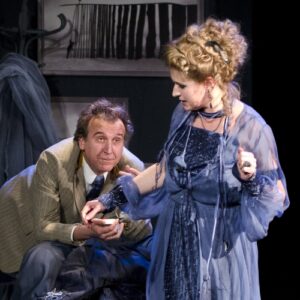
Vanya finally snaps. After years of resentment, disappointment and humiliation, he pulls out a pistol and attempts to shoot the professor in front of the entire household. The moment is shocking and strangely pathetic at the same time. He misses both shots. In another play the scene might feel tragic or heroic. Chekhov turns it into something sadder. Vanya cannot even succeed at destroying the life he hates.
Who it is for
Read or see this if: you love dramas built around emotional tension rather than plot twists. If you are interested in stories about regret, stalled ambition and the gap between fantasy and reality. If you want to understand why Chekhov became such an enormous influence on modern acting and naturalistic theatre.
Be aware if: themes of depression, hopelessness or emotional stagnation are difficult territory for you right now. The play contains humour throughout, though its sadness sits very close to the surface.
The debate
The ending of Uncle Vanya divides audiences every time. Sonya’s final speech about enduring suffering and finding rest “when we shall rest” can sound deeply moving or quietly devastating depending on the production. Is Chekhov offering genuine hope through patience, work and perseverance, or showing how people comfort themselves because they cannot imagine changing their circumstances? The play refuses an easy answer. Its characters continue living because they have no alternative, and somewhere inside that endurance there may be courage, delusion or both.