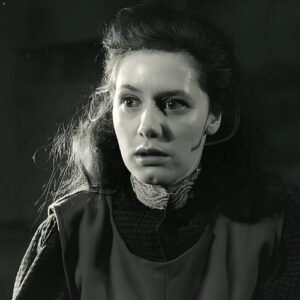
Dancing at Lughnasa
A tender and devastating memory play about family, freedom and the brief moments of joy that survive even in lives shaped by sacrifice.
Why it matters right now
Dancing at Lughnasa understands the emotional cost of holding a family together when money is scarce and opportunity feels distant. Set in rural Donegal during the 1930s, the play follows five sisters whose lives are constrained by religion, poverty and social expectation, yet its emotional world feels deeply familiar today. Many modern audiences recognise the exhaustion of caring for relatives while trying to preserve dignity and hope. The play also captures the strange fragility of happiness. A radio playing music in the kitchen becomes an eruption of life powerful enough to cut through years of repression and disappointment. In an era obsessed with productivity and self improvement, Friel’s play insists on the importance of fleeting human connection and small acts of joy.
The story in three sentences
Michael, looking back on his childhood in County Donegal, remembers the summer he lived with his mother and four aunts in a crowded cottage outside the village of Ballybeg. As economic pressure grows and family tensions deepen, the arrival of Michael’s charming but unreliable father and the return of Uncle Jack from missionary work in Uganda unsettle the fragile balance of the household. Over the course of that summer, moments of warmth and laughter give way to the understanding that the sisters’ world is slowly disappearing.
The moment you will remember
The dance. When the radio suddenly crackles into life and music fills the kitchen, the Mundy sisters abandon restraint and burst into movement together. Their dancing feels ecstatic, reckless and intensely personal, as years of buried frustration and longing erupt into the open air for a few precious minutes. Productions often stage the scene differently, yet it almost always becomes the emotional centre of the play because it reveals everything the sisters cannot say aloud.
Who it is for
Read or see this if: you love plays built around memory, atmosphere and emotional detail. If you are interested in family dramas where ordinary conversations slowly reveal enormous emotional weight. If you want a play that captures Irish rural life with affection, humour and clear eyed honesty.
Be aware if: stories about financial hardship, family obligation or lost opportunities feel especially close to home. The play carries a quiet sadness that lingers long after the final scene.
The debate
Dancing at Lughnasa leaves audiences arguing over the meaning of memory itself. Michael narrates the story from adulthood, shaping the sisters into figures suspended somewhere between reality and myth. How much of what we see belongs to objective truth and how much has been softened by nostalgia? The play also raises difficult questions about freedom. The Mundy sisters experience moments of happiness and solidarity, yet their lives remain heavily restricted by social convention, religion and economic dependence. Friel never offers easy judgement on the culture surrounding them. The world of the play feels loving, suffocating, beautiful and cruel all at once.