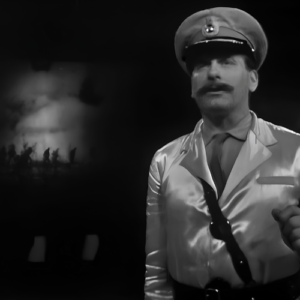
The Crucible
A furious and frightening play about fear, power and public shame that still feels dangerously close to the modern world.
Why it matters right now
The Crucible understands how quickly a society can lose its grip on reason once fear becomes a form of currency. Arthur Miller wrote the play during the era of McCarthyism, drawing a clear connection between the Salem witch trials and the political hysteria consuming America in the 1950s, yet the play reaches far beyond its historical setting. In 2026, when online outrage can destroy reputations within hours and conspiracy theories spread faster than evidence, Miller’s portrait of mass panic feels painfully current. The play captures the terrifying speed with which communities can turn suspicion into certainty and morality into performance.
The story in three sentences
In the strict Puritan community of Salem, a group of girls are discovered dancing in the woods and soon begin accusing neighbours of witchcraft. As fear spreads through the town, old grudges, personal rivalries and private desires rise to the surface under the cover of religious righteousness. Farmer John Proctor finds himself trapped between protecting his name, exposing the lies consuming Salem and confronting the damage within his own marriage.
The moment you will remember
John Proctor refusing to sign his confession. After hours of pressure, humiliation and exhaustion, he finally agrees to confess to witchcraft in order to save his life. Then he learns the court intends to nail the confession to the church door for the town to see. Suddenly the entire play narrows into one unbearable question about dignity and self respect. When Proctor tears the paper apart and cries out “Because it is my name!” the moment lands with the force of someone reclaiming ownership of their soul.
Who it is for
Read or see this if: you are drawn to courtroom dramas, political theatre or stories about ordinary people trapped inside systems growing out of control. If you are interested in plays that combine intimate emotional conflict with huge social questions. If you want a classic that still produces packed houses and heated discussions decades after it premiered.
Be aware if: stories involving public humiliation, false accusations or religious extremism feel especially raw for you right now. The play builds an atmosphere of relentless pressure and paranoia that can feel deeply unsettling.
The debate
One of the enduring arguments around The Crucible concerns John Proctor himself. Is he ultimately a heroic figure who rediscovers his integrity in the face of injustice, or does the play grant too much nobility to a man whose own mistakes helped create the disaster around him? Some productions frame Proctor as a tragic moral centre crushed by collective madness. Others emphasise his pride, selfishness and emotional cowardice. The tension matters because Miller never presents Salem as a community divided neatly between innocent victims and evil persecutors. Fear corrupts almost everyone it touches.