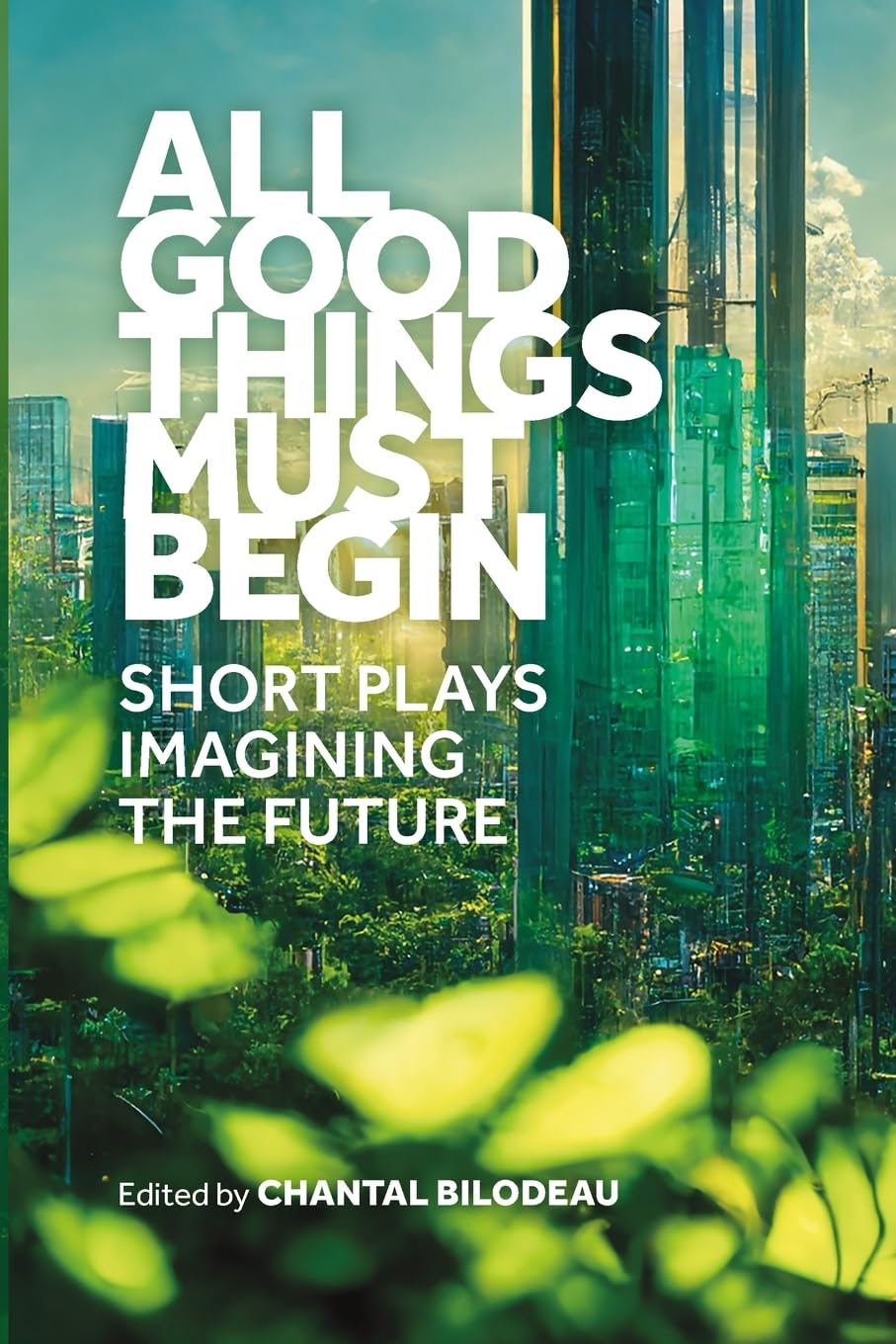
Introduction
Introduction: The Future Is Not Fixed
In an ever-evolving world, the notion of a predestined future can be both comforting and constricting. Many of us navigate our lives under the belief that our paths are largely determined by external forces—whether societal structures, economic conditions, or familial expectations. Yet, the essence of humanity lies in our capacity for choice, creativity, and transformation. "The Future Is Not Fixed" invites us to explore the dynamic interplay between our actions and the potential futures that lie before us.
This exploration delves into the profound implications of uncertainty: the power of agency, the significance of innovation, and the role of collaboration in sculpting a future ripe with possibility. By examining historical precedents, contemporary challenges, and emerging paradigms, we challenge the deterministic narratives that often overshadow our collective potential. Together, we will discover how individual and collective decisions can carve out varied trajectories, emphasizing that while the future remains unwritten, it is shaped by the choices we make today.
Join us on this journey of reimagining what is possible, as we unravel the threads of fate, freedom, and foresight, ultimately embracing the belief that the future truly is a canvas awaiting our collective brushstrokes.
Core themes
The core themes presented in "The Future Is Not Fixed" reflect the multi-faceted challenges and opportunities posed by climate change, transcending mere environmental concerns to encompass broader social and imaginative horizons. The collection of fifty plays, commissioned for the Climate Change Theatre Action 2021, serves as a fertile platform where playwrights from diverse backgrounds explore several recurrent themes.
1. Imagination as a Tool for Change
At the heart of the discourse surrounding climate change lies a profound challenge: the capacity to envision an alternative future. This collection underscores the importance of imagination in fostering hope and feasible solutions. By engaging with the hypothetical—what a sustainable, equitable, andjust society might look like—these plays cultivate a vision where imaginative storytelling can inspire real-world changes. The pieces invite audiences to dream of a future where communities are not only environmentally sustainable but also socially inclusive, highlighting the significance of creative thought in fostering collective action.
2. Intersectionality of Environmental and Social Issues
The concept of the Green New Deal serves as a crucial backdrop for many of the plays, where the intertwining of climate action with social justice issues becomes paramount. The anthology emphasizes that addressing the climate crisis cannot occur in isolation; economic inequality, racial injustice, and ecological degradation are intricately connected. By tackling these interwoven problems simultaneously, the narratives underscore the urgency for an integrated approach to policy and community action. These themes resonate with global audiences, encouraging solidarity across diverse demographics through shared struggle and triumph.
3. Diversity in Expression and Experience
The eclectic range of styles and voices represented in the collection signifies the universal nature of climate change and its effects. From realist dramas to avant-garde performances, each play reflects the unique cultural perspectives of its author, contributing to a richer understanding of the climate crisis. This diversity allows for a more comprehensive exploration of what it means to confront climate change across various contexts, reminding readers and viewers that solutions must be as versatile as the challenges are complex.
4. Community Engagement and Grassroots Action
The performances showcased in unconventional venues—from street corners to community centers—highlight the potential of grassroots activism as a formidable force against climate change. The diverse audiences, including underrepresented groups such as homeless youth and refugees, emphasize the notion that this issue transcends geographical and socio-political boundaries. By drawing in a wide spectrum of community members, these plays foster dialogue and collaboration, reinforcing the idea that local actions can contribute to global movements.
5. Hope and Ecstasy Amidst Crisis
Contrasting the heaviness of climate-related challenges, the anthology captures moments of hope and ecstatic possibility. The plays explore not only the dangers posed by climate change but also the human capacity for resilience and innovation. This dual focus serves to inspire audiences, urging them to not only recognize the urgency of the climate crisis but also to celebrate the potential for positive change. The narratives echo the sentiment that while the path forward is fraught with difficulty, it can also reveal moments of beauty, community, and inspiration.
Conclusion
"The Future Is Not Fixed" is more than a collection of theatrical works; it is a clarion call that urges society to reflect, imagine, and act in the face of climate change. By examining intersectional themes, engaging diverse voices, and inspiring a vision for a more equitable future, these plays encapsulate a movement toward a renewed social contract—one where the urgent need for climate action is matched by the creative efforts of a united global community. Through imagination, storytelling, and performance, the plays exemplify how art can be a catalyst for change, helping us envision and realize a better world.
About the author(s)
Chantal Bilodeau is a prominent playwright and advocate known for her thought-provoking works that often explore themes related to climate change, social justice, and the human experience. Originating from Canada, she has made significant contributions to contemporary theatre, emphasizing the importance of environmental awareness and responsibility through her storytelling. Bilodeau’s plays have been featured in numerous prestigious festivals and productions across North America and internationally. In addition to her creative endeavors, she is passionate about fostering dialogue around sustainability in the arts, contributing to the broader conversation on the intersection of art and ecology. Through her work, Bilodeau continues to inspire audiences and fellow artists alike to engage with pressing global issues through the medium of theatre.
Reader reactions
Readers Appreciated
- Strong Character Development: Readers enjoyed the depth and complexity of the characters, finding them relatable and multifaceted.
- Engaging Dialogue: The witty and natural exchanges between characters added to the play’s charm, keeping audiences engrossed.
- Thought-Provoking Themes: Many appreciated the exploration of relevant themes such as love, identity, and societal norms, which resonated on a personal level.
- Emotional Impact: The play elicited strong emotional responses from the audience, with moments of humor and poignancy that left a lasting impression.
- Creative Staging and Production Quality: Readers praised the innovative set design and effective use of space, which enhanced the overall viewing experience.
- Cultural Relevance: The incorporation of contemporary issues made the play timely and relatable, prompting reflection and discussion among viewers.
- Strong Direction: Many noted the skillful direction that contributed to the cohesive storytelling and dynamic pacing of the play.
Play Details

Price: [price_with_discount]